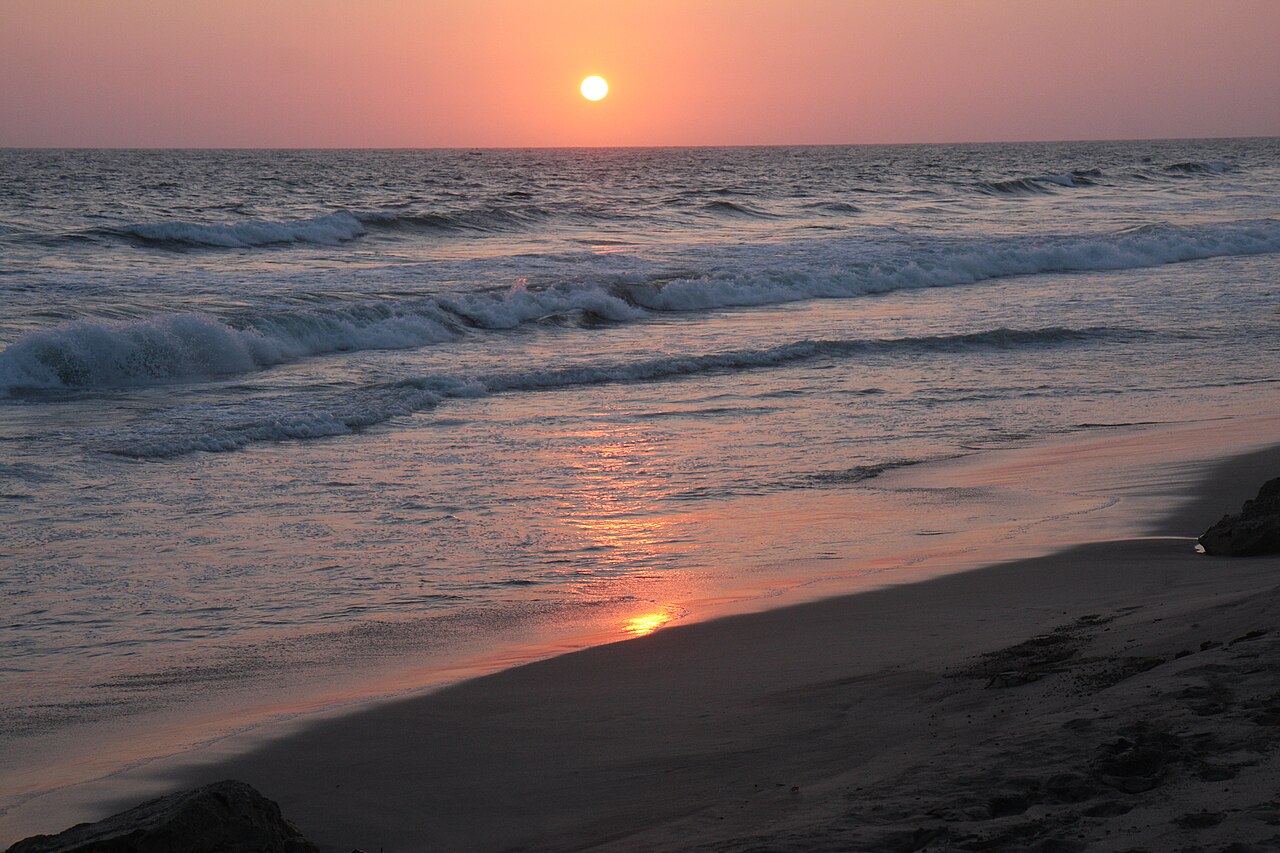
Cheap hotels across La Paz — from the departmental capital to Marcala's coffee highlands
Budget stays under $50 in La Paz city, Marcala's coffee country, and the villages around Cueva del Gigante and Cascada La Estanzuela.
Where to stay, area by area
La Paz department splits into around 19 municipalities — most travellers pick between the capital, Marcala, and the Lenca mountain villages.


Plan the trip
Base yourself in La Paz city for logistics or Marcala for coffee farms and cooler mountain air.
Multi-day routes
All routesLoop the Lenca highlands, chase waterfalls near Estanzuela, or link Marcala's coffee fincas with the Cueva del Gigante caverns.
The Marcala coffee loop, the Lenca highland circuit through Guajiquiro and Opatoro, and the grand Opalaca ridge drive.
3 ROUTES · 90–170 KM · 2–3 STAGESCerro Guajiquiro, Montaña de Opalaca, Cerro Cangual and the Cascada El Chiflador — cloud-forest ridges with a bed at the end.
5 TRAILS · 8–20 KM · 1–2 STAGESThe Sendero Café de Marcala, the Río Chinacla valley and the walk to the Aguas Termales de Marcala hot springs.
3 ROUTES · 6–15 KM · 1–2 STAGESTegus to La Paz Centro, La Paz Centro to Marcala, and the colectivo hop to Santiago de Puringla — no car, no worries.
3 CORRIDORS · ALL BY BUS · 1–3 STAGESPopular hotels right now
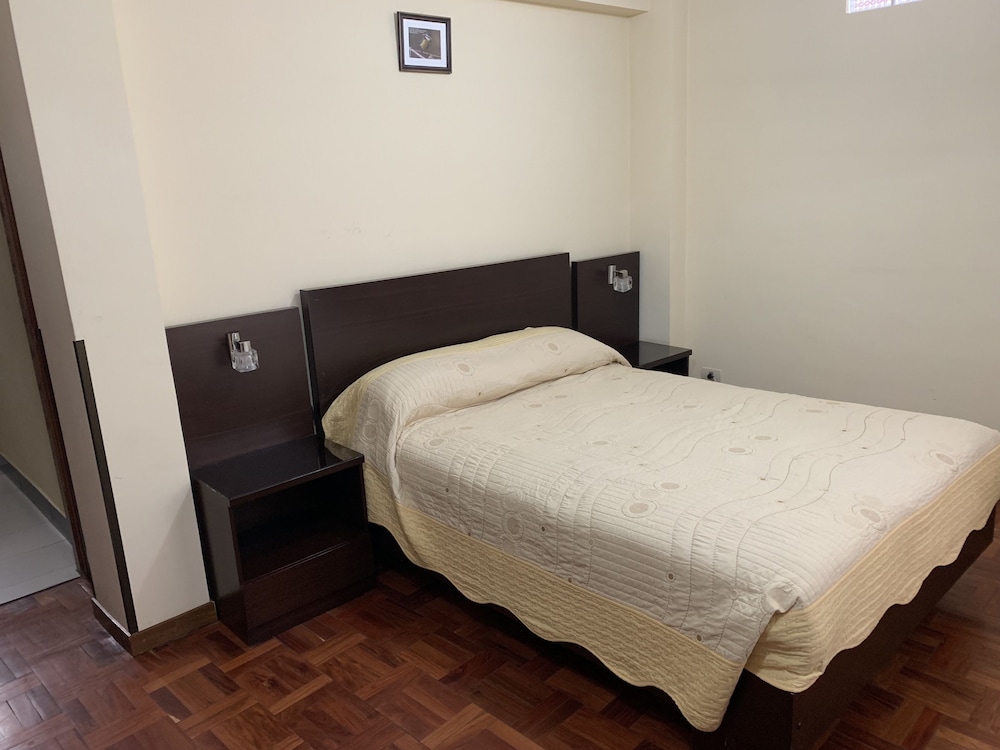
See all hotels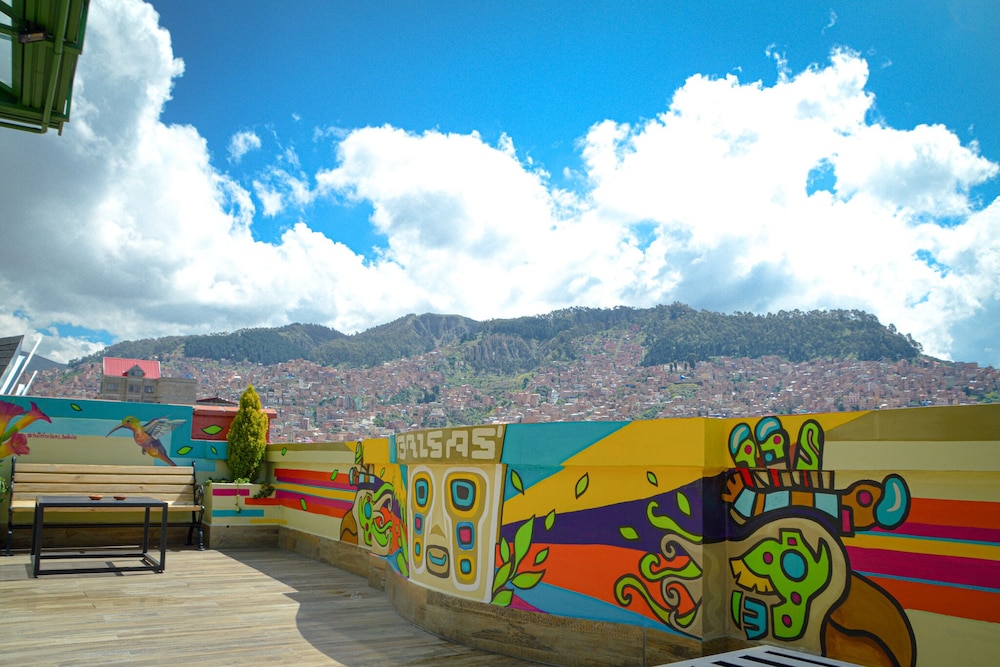

The hotel map
Open the mapFrom the capital on the central plateau to Marcala's ridge-top farms, see every stay plotted on one map.
When to come — prices by month
Dry-season peaks fall between December and April; May through October brings green landscapes and lower rates.
May — from $27/night · First rains begin late in the month. Lowest prices of the year in most areas as the wet season looms.
The La Paz guide
The department of La Paz is a small highland region with an outsized natural personality: at its heart, one of Honduras' coolest coffee-growing plateaus — cloud forests on nearly every ridge, waterfalls dropping through pine and oak, and small towns so distinct they behave like separate mountain worlds. But the region doesn’t stop at the departmental capital. Within a couple of hours of La Paz Centro sit the Lenca coffee town of Marcala, the pine highlands of Guajiquiro, the biological reserve wall of Montecillos, and the 2,400-metre summits of the Opalaca range, with cloud forest, colonial trails and adobe villages. One rental car covers nearly all of it.
Where to stay: the three logics
Most trips fit one of three shapes. Capital-first: sleep in La Paz Centro or Cane and drive out to everything — or in Aguanqueterique for the same access with quieter nights. Character-first: base in Marcala for the coffee-farm-and-café version of La Paz, in Chinacla for river valleys at your doorstep, or in Santa Elena — the highest cool-climate beds in the department and its most striking landscapes. Escape-first: the small towns — a wooden balcony over Opatoro's quiet plaza, a farmstay near Guajiquiro's pine ridges, or a walkers' base in Yarula with trails from the door. Many visitors stitch the two: three nights in town, three nights in the mountains.
The money: what things cost, and when
La Paz remains one of the best-value highland regions in Central America. Doubles in La Paz Centro and Cane start around $25–35 most of the year; Marcala and its coffee-country hotels run $35–55 for equivalent rooms; rural guesthouses in the Lenca villages hold $20–35 outside holiday weekends. The price curve is predictable: floors in the rainy months of September and October, peaks at Semana Santa, in early December around the Marcala coffee harvest festivals, and across the dry January–April window. A típico lunch still runs $3–5, a local coffee $1, a colectivo hop between towns a couple of dollars, and the bus from Tegucigalpa to La Paz costs less than a decent dinner.
Getting around: buses, colectivos, and a rental
You will not need a car for the towns on the main paved corridor. Buses link Tegucigalpa to La Paz Centro hourly; onward services reach Marcala in around two hours, and colectivos from La Paz Centro fill in Cane, Santiago de Puringla and San Pedro de Tutule. For the mountain villages — Opatoro, Guajiquiro, Yarula, Santa Elena — a 4x4 earns its keep, especially in the rainy season, when unpaved roads slow to a crawl. Our getting-around guide maps the whole system, with schedules and typical fares.
Beyond the plaza
The region rewards walkers and drivers as much as coffee tourists: the highland walks run from river gorges to the 2,428 m summits of Opalaca and Cerro Guajiquiro; back-road rides follow ridge tracks and coffee-country lanes; the parks & reserves range from the Cascada de Las Golondrinas to the Reserva Biológica Montecillos and the pine-clad Cerro Cangual. Eat your way through the Lenca food guide, time your trip by the events calendar, follow a ready-made itinerary from 24 hours to a week, or plan around small people with the kids guide. Every entry names the nearest place to sleep, one click from live prices.
Who we are
We’re a curated front door to the region. When you tap See price, you’re handed to app.impt.io — a booking engine aggregating over 8 million hotels worldwide at the same price or better — and every booking made through this site funds one verified tonne of CO₂ removal, at no extra cost to you. Same room, same price, small climate receipt.